
Can you make money on Fiverr with ChatGPT without coding? My answer is that AI can help you produce something worth selling, but the thing a client buys is a finished result, not your access to an assistant. A small website repair, a carefully edited image or a tested game feature is a service. Promising to do anything because ChatGPT can generate an answer is not a service I would feel comfortable offering.
Platform information checked in November 2026. Fees and requirements can change; use the official links below to check the current conditions before joining or accepting an order.
I know Fiverr from the other side of the transaction too. An earlier version of what became Gems of Luna started with a paid Fiverr build. I later rebuilt the game with AI assistance and gave it a different visual direction. That experience makes the subject more concrete for me: a buyer needs to understand exactly what is included, what can be changed and what they will receive at the end.
To make money on Fiverr with ChatGPT, sell one clear outcome
I would begin with one task I can demonstrate on my own project. For example: repair a mobile layout issue on one WordPress page, investigate one reproducible Unity bug, or prepare a small set of product images to an agreed specification. Each offer needs boundaries. A bug investigation is not a promise to repair an entire unknown application, and an image enhancement is not guaranteed recovery of every detail in a damaged original.
My Gems of Luna development story shows why that distinction matters. Buying an initial build and deciding what the final game should become were different jobs. As a freelancer, I would want the client to know which part I am quoting for. AI can help me break the work down, but I must understand the agreement myself.
Before reskinning

After reskinning

What you need before your first Gig can go live
Fiverr calls a published service a Gig. Its Gig creation guide requires freelancer onboarding and verification, then the offer details and gallery. Publishing is a desktop task. The guide lists email, phone and personal/business verification among the steps, alongside tax information where applicable. A Gig is reviewed before it becomes visible. Opening an account does not automatically mean a service has been approved.
I would create the profile in my own identity, describe the skills I actually have and use original examples. The profile guidance also says not to put contact information or URLs in the About section. That means my own website can help me prepare a portfolio, but it is not a reason to ignore Fiverr’s rules about where links and communication belong.
A useful Gig would say what I need from the buyer, the exact deliverable, the delivery period, the number of revisions and the exclusions. For a WordPress task I might request a screenshot and a description before agreeing to access. For a Unity task I would ask about the engine version, reproduction steps and a safe copy of the relevant project. I would not ask someone to paste passwords or private keys into an ordinary chat.
Is Fiverr free, and what happens to the sale price?
There is no need to start by buying a seller subscription. Fiverr’s freelancer overview says freelancers receive 80% of the cleared payment after an order is completed. Optional programmes and advertising are separate decisions. Before setting a price, I would allow for the platform share, the work itself, revisions and any applicable withdrawal or tax costs.
For a simple illustration, a $50 order leaves $40 after a 20% platform deduction, before other costs. That is not a prediction of an order I will receive. It is a way of checking whether a price would still make sense if the task takes longer than expected. I would rather offer a small, properly scoped job than sell a whole evening of uncertain repairs for an attractive-looking headline price.
Do you have to disclose that you use AI?
Fiverr has an explicit AI usage policy. It permits responsible AI-assisted work but keeps the freelancer accountable for quality, originality and client-specific refinement. It does not describe a universal requirement to name every tool in every Gig. It does require respecting a client’s non-AI preference and being truthful about the workflow. Generic, unmodified AI output is not the standard being offered.
My practical approach would be straightforward: explain that I use ChatGPT or Codex where relevant, say what I personally review and test, and agree before using a client’s private material with an AI service. If a buyer wants a fully manual edit, I either meet that condition or decline. Being open early is much easier than trying to explain a surprising workflow after delivery.
Build evidence before waiting for strangers to trust you
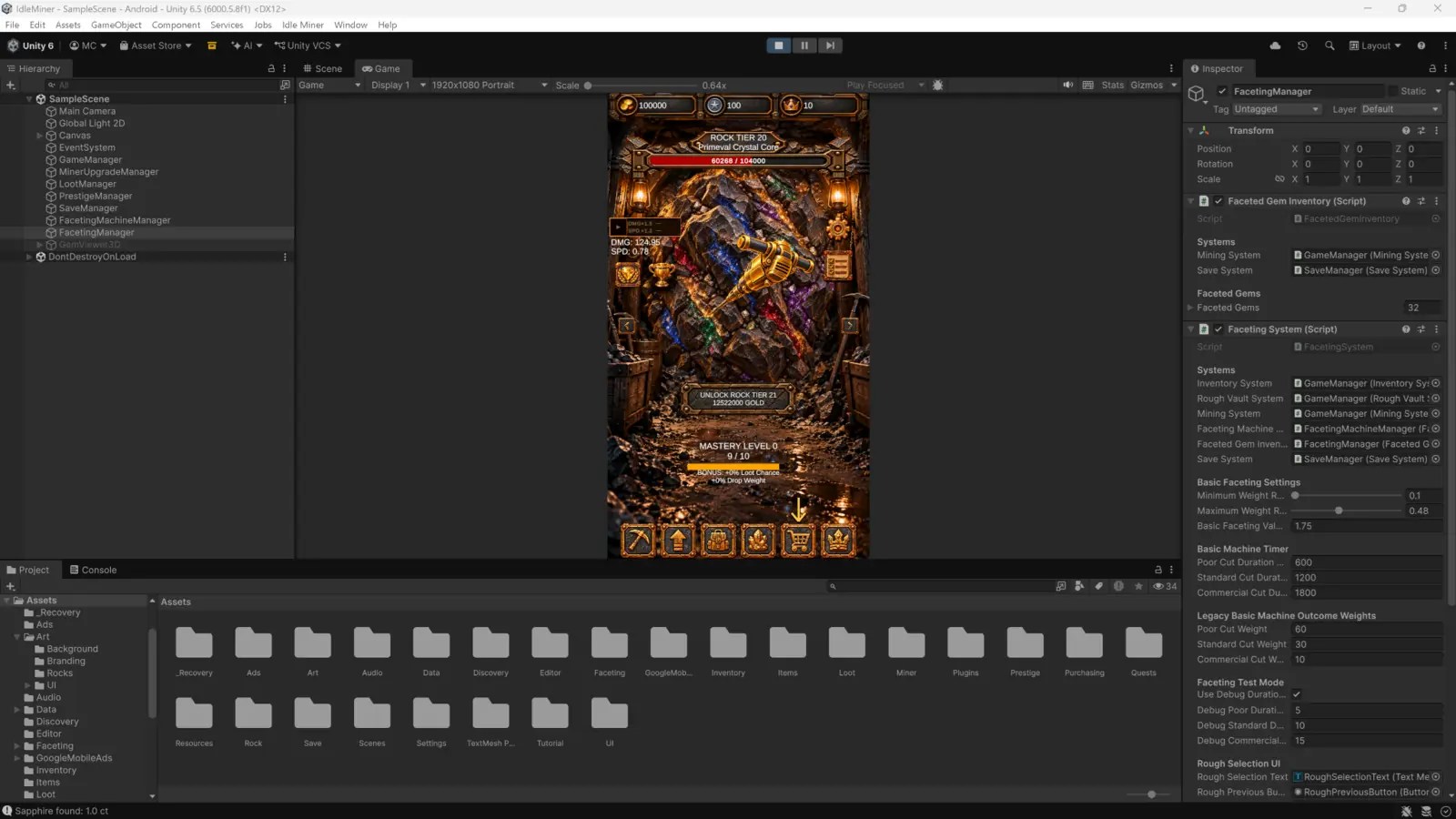
If I were starting with no paid work, I would make two or three small demonstrations: a playable game, a simple app and a short website case study. These can be self-initiated projects, clearly labelled as such. My own examples include Gem Forge Idle, Swarmloom Idle and Chaos Booth, a photo-challenge app. They demonstrate different decisions rather than eight versions of the same AI prompt.
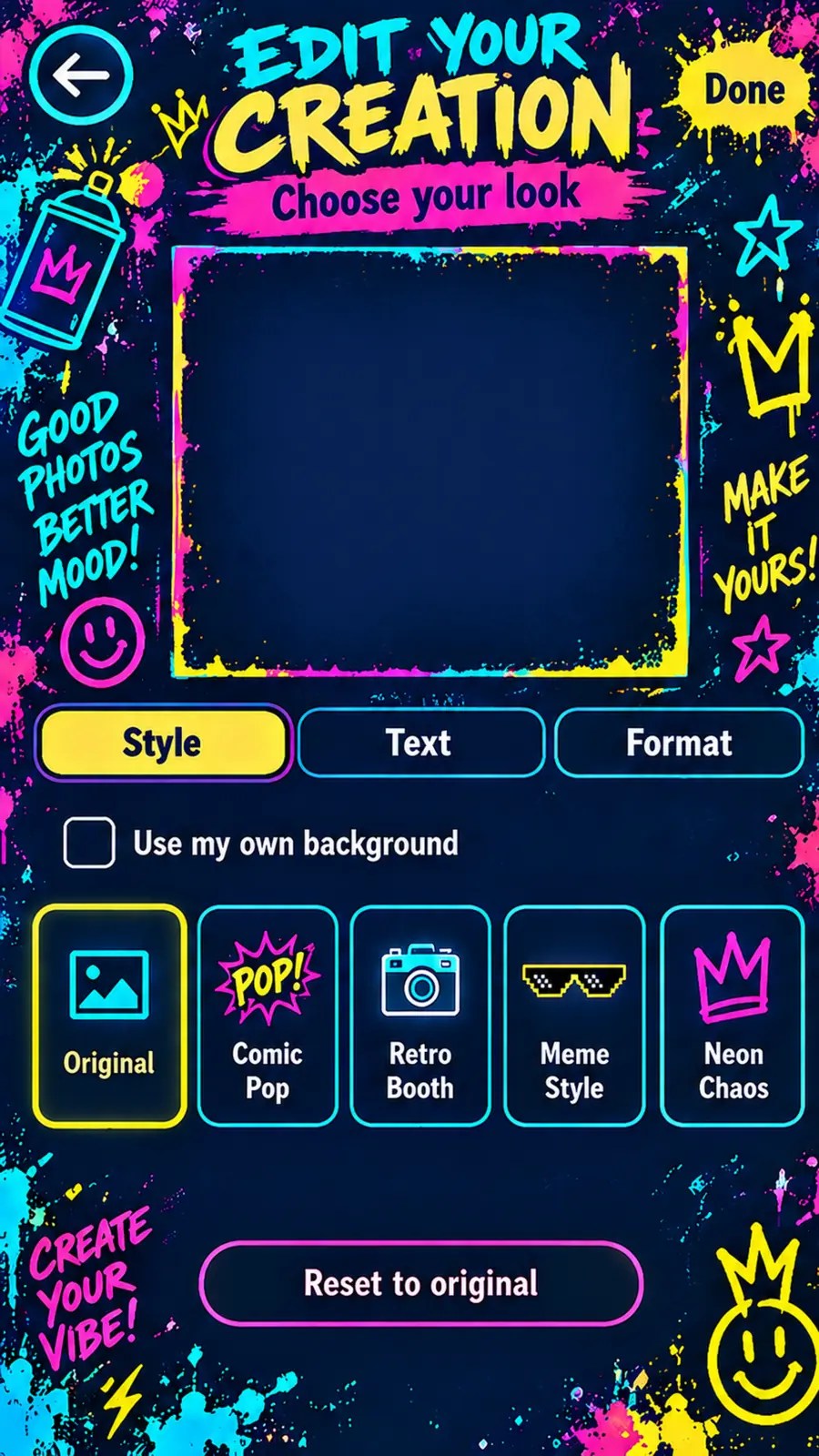
You can also inspect Chaos Booth on Google Play. I would describe it honestly as my photo-challenge and collage app, showing the relevant flow rather than presenting it as evidence of every possible image-editing service.
A WordPress portfolio could collect the screenshots, a short video and a plain-English explanation of what I changed. Personal starts at US$2.75/month with three years prepaid, before tax; check local checkout. A free portfolio can also be a starting point. I would not buy a large hosting plan just to show three examples, or assume that a basic portfolio plan automatically hosts every Unity WebGL build.
For a published example, readers can inspect Gem Forge Idle on Google Play. Google Play developer registration costs US$25 as a one-time fee. Publishing an Android app is useful evidence, not a compulsory expense before offering a small website or image service.
The first order is the start of the work, not the finish
Once a buyer contacts me, I would ask questions, confirm a manageable scope and keep the work and payment within the platform’s rules. I would save a recoverable original, test the agreed behaviour and deliver a short explanation of the result. Clear communication during a delay is part of the service too. A review should follow genuine work, not a manufactured order designed to decorate a new profile.
So yes, I see a realistic route to offering AI-assisted services on Fiverr without personally typing every line of code. I do not see a shortcut around responsibility. Start with an outcome you can prove, explain the process honestly and improve the offer using real feedback. A strong portfolio and satisfied clients may help people trust you, but neither guarantees that the next order will arrive.
Built with AI. Directed by human.
Leave a Reply