
How do you test an AI-built app before launch? I start by using it myself, then I need people who have not spent hours discussing every button with me. AI has helped me build games and apps, but another person opening one for the first time can still notice something I have stopped seeing. That fresh perspective is the part I do not want to skip.
For finding those people, my first recommendation is family, friends and acquaintances. They are easier to talk to, I can ask follow-up questions and they can explain what happened in ordinary language. I have also used Fiverr to recruit testers. It is one option when I need help assembling a group, rather than the only sensible way to test an app.
I test an AI-built app before launch by following the player’s journey
The first thing I want to understand is the opening experience. Can someone install the build and reach the main screen? Do they know what to press? Can they read the text without guessing? With an idle game, I also want to know whether that first upgrade feels understandable and whether the next goal gives them a reason to continue.
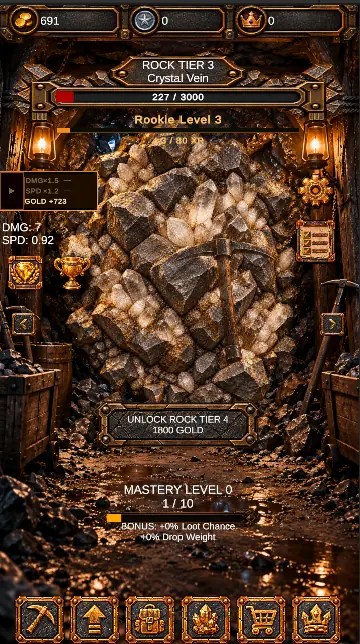
Gem Forge Idle is a good example because the idea is more than a screen full of numbers. The player moves from breaking rocks towards discoveries and collecting stones. I know why the inventories and upgrades are there because I helped shape them. A new player needs the game to communicate that direction without me standing beside the phone to explain it.
Why I would ask friends and family first
I would give a friend a small, clear task rather than just say “tell me if it works”. Play the beginning, buy an upgrade, close the app and return. Tell me where you hesitated. That gives us something to discuss. A person does not need to be a developer to explain that a label confused them or that a button was difficult to read.
I would also ask for their honest reaction, not a promised positive review. Testing is most useful when somebody feels comfortable saying that an opening is slow or that they do not understand the point of a screen. Friends and family can be especially helpful here if I make it clear that I am looking for useful observations, not encouragement alone.
The Fiverr testing option I used
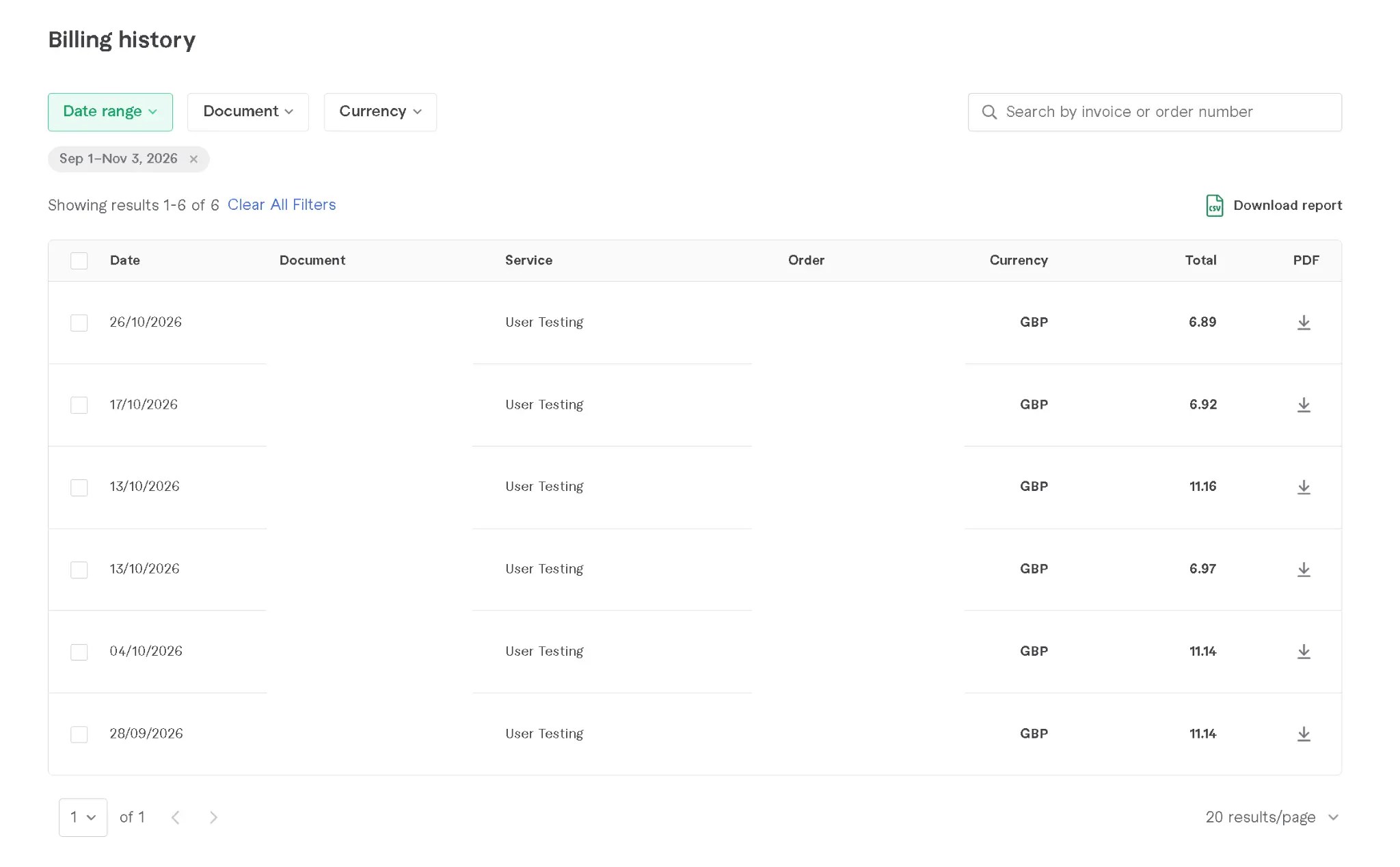
I found an offer on Fiverr advertised at $8 for 12 testers over 14 days. The seller was based in India, and for one of my games she provided approximately 20 users, more than the advertised group. That was my experience with that particular service, not a fixed price or tester count I would promise from every seller.
The practical benefit was having help recruiting a group when I was trying to move a project through testing. I did not have to find every participant individually. The payments screenshot below is from the testing services I used during the experiment; it also includes tips I chose to leave. That gave me a straightforward way to keep the recruitment moving while I continued developing the game.
What happens at the end of the Google Play test
Google’s testing requirements for newer personal accounts currently specify 12 testers opted in continuously for 14 days before applying for production access. The application also asks about the test, feedback and readiness. I keep those questions in mind while the test is happening so I have real observations to describe.
The seller also supplied suggested responses to the questions Play Console presents at the end. That can help with the wording, especially when the form is unfamiliar. I use that help as a starting point and make the answers match my own test, the feedback received and the changes actually made. I am still describing my application and my testing experience.
A screenshot makes feedback much easier to use
One thing I value is a clear description of the moment something happened. A screenshot, the device or browser used and the action immediately before the problem give me far more to work with than “it is broken”. I can bring that information back into development and focus on the relevant behaviour instead of guessing at the whole application.
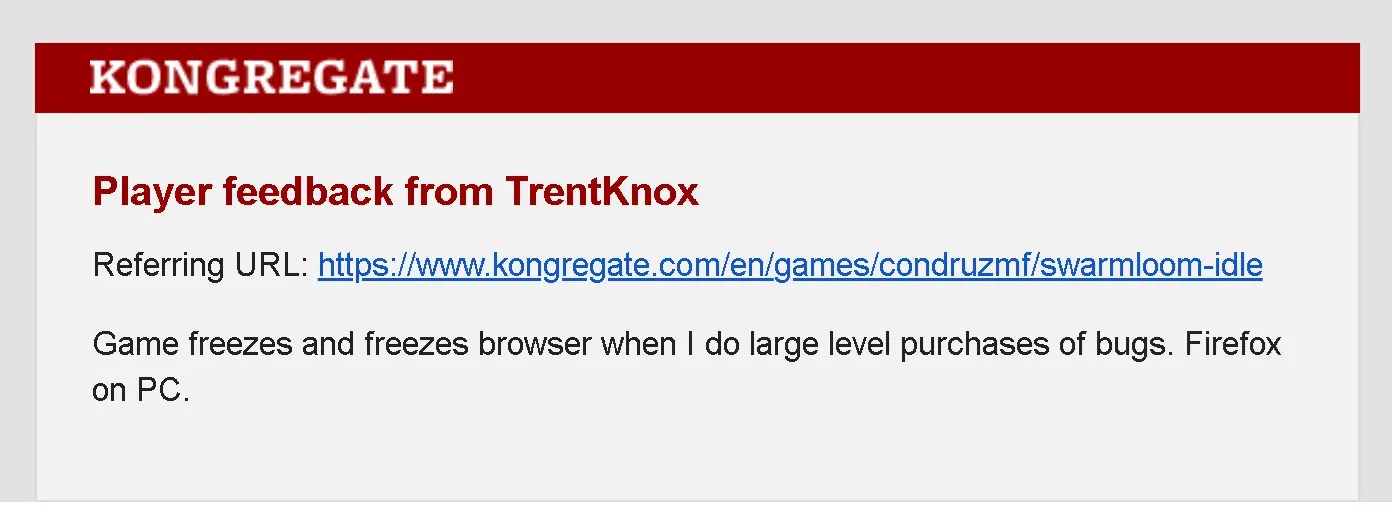
My Swarmloom Idle feedback includes an example from Kongregate involving large insect purchases in Firefox. That is browser feedback, not evidence from the Fiverr Android test, but it shows why the details matter. A player describing a particular action and environment gives me a practical route back to the issue. Different testing routes can each reveal something useful.
Returning to the app matters as much as opening it
A launch screen can look good while an important part of the experience remains untested. I want to consider returning to saved progress, changing screens and continuing after an interruption. For games with longer progression, the questions also extend beyond the first few minutes: does the next system explain itself, and do its rewards make sense to someone encountering it naturally?
I treat a new integration as its own piece of work. A local save surviving a return does not settle whether progress can move correctly between Android and a website. Those checks need their own real-device session. That helps me keep the test manageable: look at the feature actually being released rather than treating one successful opening as proof of everything.
My recommendation is people first, a service when useful
If I were starting again, I would begin with people I could speak to directly and give them a short set of things to try. If assembling the group became difficult, I would consider a paid recruitment service as another option. I would still want meaningful feedback, a working build and answers that describe what really happened.
You can see one of the projects that came through this process in Gem Forge Idle on Google Play, or follow its background on the project page. AI helped me get to a testable game. The people who actually used it helped me see the experience from outside my own development routine.
Built with AI. Directed by human.
Leave a Reply